

We’ve all been in a traditional classroom setting: the instructor lecturing at the helm while students furiously take notes, only to leave class and struggle with assignments on their own.
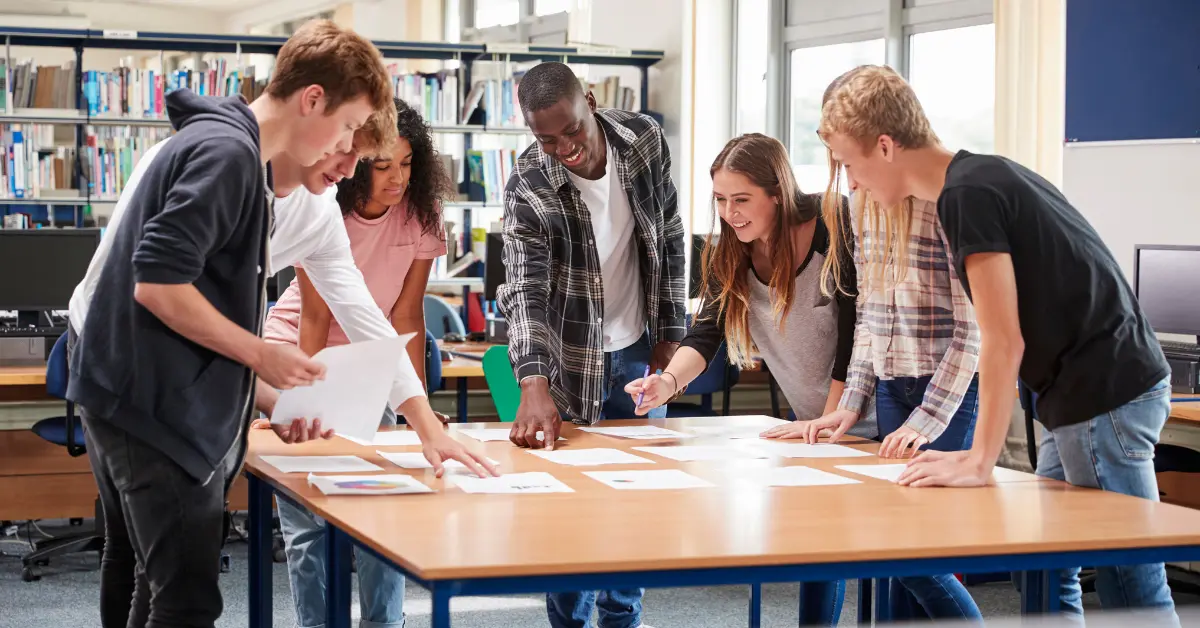
The flipped classroom challenges that old structure. Instead of saving the toughest work for homework, students come to class ready to dive into activities, discussions, and problem-solving while the lecture part happens before class often online.
This approach doesn’t just change where and when learning happens; it shifts the focus and energy in the classroom. Students become active participants rather than passive listeners and can open doors to deeper engagement and stronger outcomes.
What Is a Flipped Classroom?
According to an article by the University of Texas at Austin’s Center for Teaching & Learning, a flipped classroom inverts the typical cycle of content acquisition and application so that:
- Students gain necessary knowledge before class (through readings, videos, or interactive modules).
- Instructors then guide students to actively clarify and apply that knowledge during class through discussions, problem solving, and collaborative work.
This approach supports instructors in playing their most important role: guiding students toward deeper thinking and higher levels of application. In other words, a flipped classroom keeps student learning at the center of teaching.
Why Instructors are Adopting the Flipped Model
STEM and math subjects are heavy with complex, layered concepts that require more than just listening to a lecture. The flipped classroom model gives instructors the opportunity to make class time more interactive and focused on tackling real challenges.
- Deeper Understanding of Complex Topics – Students arrive having already engaged with the material, allowing more time for analysis, problem-solving, and application.
- Immediate, Actionable Feedback – Instructors can address misunderstandings on the spot, helping students correct mistakes before they take root.
- More Peer-to-Peer Learning – Class discussions and group activities create opportunities for students to explain concepts to one another.
- Better Retention Through Active Learning – Applying knowledge in real time cements it in memory far better than passively taking notes.
- Improved Student Confidence – Students feel more prepared and willing to participate when they’ve reviewed the material beforehand.
Tools and Approaches for Flipped Classrooms
Making a flipped classroom work smoothly requires the right tools. Educators often use:
- Video lectures and multimedia lessons for pre-class learning.
- Interactive quizzes for self-checks before students come to class.
- Collaborative in-class activities to apply knowledge.
- Analytics tools to monitor progress and identify gaps.
Online learning platforms such as Möbius are a natural fit. They centralize content delivery, track student engagement, and provide instant feedback.
Möbius Built for Active Learning
One powerful solution is the Möbius STEM Educator Suite, which is built on the principles of active learning — the very foundation of an effective flipped classroom.
With Möbius, instructors can:
- Provide interactive, self-paced lessons before class so students arrive ready to engage.
- Use over 15 question types, along with algorithmic randomization, to provide limitless problems with adaptive qualities to adjust to each learner’s comprehension
- Offer instant feedback to help students confirm what they’ve mastered and where they need more practice.By combining pre-class preparation with in-class engagement, Möbius makes the flipped classroom model both practical and impactful — giving instructors the tools to guide deeper, more meaningful learning.
Flipping for the Future
The flipped classroom isn’t just about doing things differently; it’s about doing them better. By shifting lectures outside of the classroom and dedicating class time to active problem solving, instructors can create richer learning experiences and help students reach higher levels of mastery.
With solutions like the Möbius, the transition to a flipped model becomes seamless, ensuring that both educators and students can make the most of every learning moment.
Ready to bring active learning into your classroom?
Book a personalized demo and see how Möbius solutions can help you implement a successful
flipped classroom model that boosts engagement and student success.